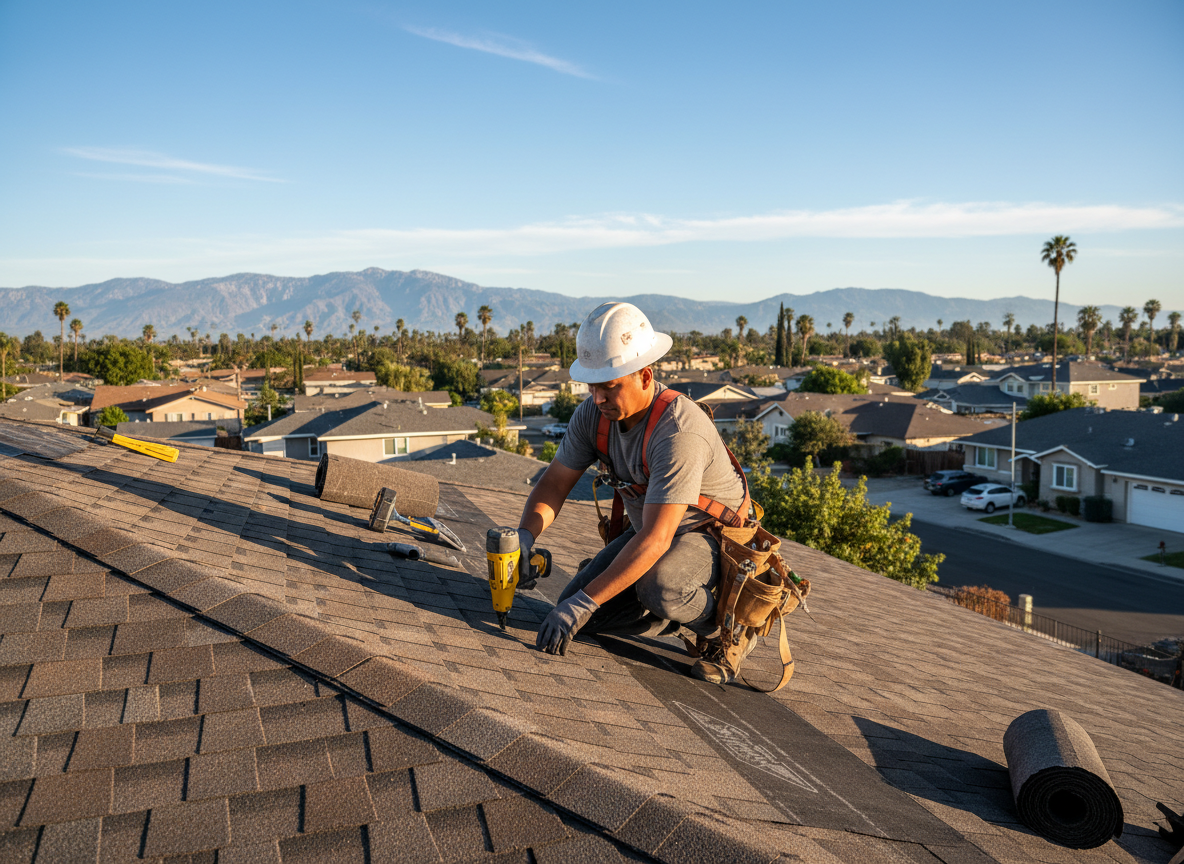
Roof covering in Lynnwood homes often involves asphalt shingles or modified bitumen membranes suited to the Pacific Northwest's persistent winter rains and occasional high winds. Many properties built between the 1970s and 1990s feature aging composition roofs that develop granule loss and seam failures after years of moisture exposure. Proper underlayment and flashing around chimneys and valleys become critical because standing water from frequent drizzles can penetrate small gaps that drier climates might tolerate. Edge cases include homes near Highway 99 where road salts and exhaust accelerate material breakdown, requiring more frequent inspections than inland properties.
Code requirements in Snohomish County emphasize ice and water shield along eaves for at least six feet inward on roofs with slopes under 4:12, a detail that matters in Lynnwood's freeze-thaw cycles. Homeowners sometimes overlook ventilation upgrades during re-covering, which leads to attic condensation and shortened shingle life in humid conditions. We always check for existing layers before adding new covering, as exceeding two layers violates local standards and traps moisture against the decking. Terrain around Alderwood and nearby neighborhoods includes gentle slopes that can direct runoff toward foundations if gutters and drip edges are not integrated correctly during the job.
Material choices must account for UV exposure in summer months combined with heavy moss pressure in shaded yards common throughout Lynnwood. Synthetic underlayments outperform felt in these wet conditions by resisting tearing during installation and providing better secondary water resistance. We inspect decking for rot caused by prior leaks, especially on single-story ranch homes prevalent in the area, before proceeding with new covering. This prevents callbacks when hidden damage surfaces after the first heavy rain.
Technician insight
In Lynnwood the thing that catches most people out with roof covering is how quickly moss and constant winter drizzle destroy the edges on 1980s homes near the highway. They skip proper ice shield along the eaves thinking it is only for snow country, then water backs up under the new shingles the first season.
Alderwood Roof Re-cover After Leak
A single-story home near Alderwood Mall showed interior ceiling stains after weeks of rain. We found failed flashing at the valley where two roof planes met and water had wicked under old shingles. We removed the damaged covering section, replaced rotted decking, installed new ice-and-water shield plus matching shingles, and tied the drainage back into the existing gutters. The homeowner reported no further leaks through the next winter.
How it works
- 1
Initial Assessment
We examine the existing roof covering, deck condition, and drainage on site in Lynnwood to identify hidden issues from prior moisture exposure.
- 2
Material Selection
Recommendations focus on coverings rated for Pacific Northwest rainfall and wind loads common along the Highway 99 corridor.
- 3
Preparation and Removal
Old layers are stripped where needed, decking is repaired, and ice-and-water shield is applied per Snohomish County guidelines.
- 4
Installation and Finishing
New covering is installed with proper flashing, ventilation integration, and edge details to handle local runoff patterns.
- 5
Final Inspection
We verify seams, fasteners, and drainage before leaving the site to ensure performance through winter rains.
Pricing
Costs depend on roof size, pitch, material type, and any deck repairs required; we provide upfront quotes after inspection.